Mastering Efficiency with Modern Bulk Oil Storage and Dispensing Solutions
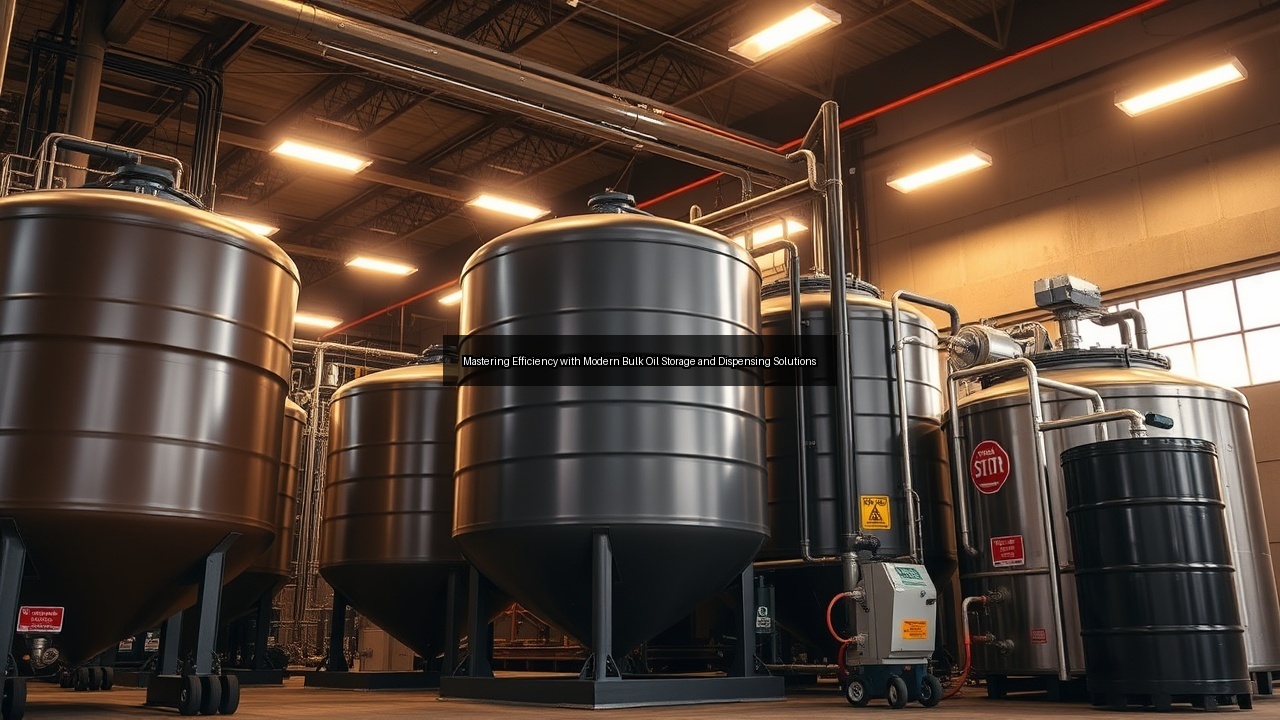
Understanding the Importance of Bulk Oil Storage and Dispensing Systems
The Role of Bulk Oil in Industrial Operations
Bulk oil plays a critical role in various industrial operations, serving as a vital component in machinery, vehicles, and equipment. Industries ranging from manufacturing to construction rely on high-quality lubricants to maintain optimal performance and extend the lifespan of their machinery. Proper bulk oil storage and dispensing systems ensure that these essential fluids are readily available, minimizing downtime and enhancing overall efficiency. A well-implemented oil storage solution not only provides immediate access to lubricants but also contributes to the seamless operation of industrial processes, leading to higher productivity and profitability.
Benefits of Efficient Oil Storage Solutions
Investing in efficient bulk oil storage solutions yields numerous benefits for businesses. First, these systems reduce waste through precise dispensing methods, ensuring that operators use only what is necessary. This precision minimizes spills and overuse, leading to cost savings. Second, modern bulk oil storage systems often feature advanced filtration technologies, which maintain the quality of lubricants by removing contaminants. Additionally, efficient storage solutions streamline inventory management, enabling companies to track oil usage accurately and reorder before supplies run low. Ultimately, these benefits enhance operational efficiency and contribute to a more sustainable approach to fluid management.
Regulatory Compliance: OSHA and EPA Guidelines
Compliance with regulatory standards, including bulk oil dispensing systems those set by OSHA and the EPA, is crucial in the operation of bulk oil storage and dispensing systems. OSHA regulations ensure workplace safety, mandating proper labeling, employee training, and emergency response protocols for hazardous materials. The EPA, on the other hand, focuses on environmental protection, requiring businesses to implement measures that prevent oil spills and other environmental hazards. Adhering to these guidelines not only safeguards employees and the surrounding environment but also fortifies a company's reputation. Regular audits and updates to oil storage practices help maintain compliance and mitigate risks associated with non-compliance.
Components of Modern Bulk Oil Storage Systems
Types of Storage Tanks: Steel vs. Polyethylene
Choosing the right storage tank is paramount in establishing an effective bulk oil storage system. Steel tanks offer durability and strength, making them ideal for larger operations where long-term storage is necessary. These welded tanks can withstand harsh environmental conditions and provide excellent resistance to punctures. On the other hand, polyethylene tanks offer lightweight and corrosion-resistant options, suitable for smaller operations or applications where mobility is essential. Furthermore, polyethylene tanks are often less expensive and easier to install. Assessing the specific needs of your operation will guide you in selecting between steel and polyethylene storage tanks for optimal performance.
Pneumatic vs. Gravity Feed Dispensing Systems
Dispensing systems play a crucial role in the efficient transfer of lubricants from storage tanks to equipment. Pneumatic dispensing systems utilize compressed air to facilitate the flow of oil, providing quicker and more controlled dispensing. These systems are ideal for high-volume applications, allowing for rapid transfers and reducing labor costs. Conversely, gravity feed dispensing systems rely on the force of gravity to move fluids from the storage tank to the dispensing point. While these systems may be simpler and require less maintenance, they can be less efficient in terms of speed and control. Evaluating your operational requirements will help determine the best dispensing system for your bulk oil needs.
Filtration Systems for Oil Quality Management
Maintaining oil quality is essential for optimal machinery performance and longevity. Filtration systems integrated into bulk oil storage and dispensing setups play a pivotal role in this process. These systems remove contaminants such as dirt, water, and other particulates that can compromise the integrity of lubricants. Advanced filtration technologies include coalescing filters and full-flow filters that ensure only clean oil reaches your equipment. Regular maintenance of these filtration systems is crucial; without it, even the best storage solutions can lead to contamination issues. Investing in high-quality filtration systems guarantees the longevity of both your lubricants and your machinery, ultimately enhancing overall operational efficiency.
Best Practices for Bulk Oil Storage and Dispensing
Fire Safety Considerations in Oil Storage
Fire safety remains a top priority when managing bulk oil storage and dispensing systems. The flammable nature of oils necessitates strict adherence to safety protocols. Designated storage areas should include adequate fire suppression systems, such as sprinklers and fire extinguishers. Storing oil away from heat sources and ensuring proper ventilation can significantly reduce fire risk. Additionally, implementing a robust training program for employees on fire safety measures and emergency response can further mitigate risks. Regular inspections and maintenance of storage tanks and associated equipment also play a vital role in preventing fire hazards, allowing for the safe handling of lubricants.
Maintenance Tips for Storage Tanks and Dispensing Systems
Regular maintenance of bulk oil storage tanks and dispensing systems is essential to ensure their longevity and efficiency. Periodic inspections should focus on identifying leaks, corrosion, and structural integrity, especially in steel tanks. Keeping tanks clean and free from contaminants not only prolongs their lifespan but also maintains oil quality. For dispensing systems, routine checks on hoses, fittings, and filters can prevent costly downtime and ensure accurate dispensing. Establishing a maintenance schedule helps track necessary repairs and replacements, allowing for the proactive management of storage and dispensing systems.
Managing Waste Oil: Environmental Responsibilities
Proper management of waste oil is critical for environmental sustainability and compliance with EPA regulations. Businesses must implement protocols for the safe disposal and recycling of waste oil. Designated containers should be used for collecting used oil, ensuring they are clearly labeled and stored in a secure location. Partnering with certified waste oil recyclers not only fulfills environmental responsibilities but can also provide financial incentives through recycling programs. Keeping detailed records of waste oil volumes and disposal methods demonstrates compliance and enhances transparency in operations, fostering a responsible approach to fluid management.
Choosing the Right Bulk Oil Solution for Your Needs
Evaluating Your Oil Storage Capacity: From 55 Gallon Drums to Larger Tanks
Determining the right oil storage capacity is crucial for meeting operational demands. Options range from 55-gallon drums for small businesses to large tanks capable of holding thousands of gallons for industrial applications. Assessing your oil usage patterns, facility size, and space constraints aids in selecting the most appropriate storage solution. Larger tanks can provide economies of scale, lowering costs per gallon, while smaller drums offer flexibility and ease of handling. Ensure that your chosen capacity aligns with both your current needs and future growth to maintain efficiency and avoid supply shortages.
The Impact of Skids on Dispensing Efficiency
Incorporating skids into bulk oil storage and dispensing systems enhances efficiency and organization. Skids, which are platforms equipped with bulk oil dispensing systems pumps, hoses, and filtration systems, streamline the dispensing process by providing a centralized location for operations. This setup minimizes the need for multiple transfer points, reducing the risk of spills and contamination. Additionally, skids can be designed for easy mobility, allowing for flexibility in dispensing locations. Choosing the right skid design and configuration can significantly impact the efficiency of your oil dispensing operations, leading to improved productivity and better fluid management.
Selecting the Right Lubrication Oil for Optimal Performance
Choosing the correct lubrication oil is essential for ensuring optimal performance of machinery and equipment. Factors such as viscosity, base oil composition, and additive packages influence the effectiveness of lubricants. Understanding the specific requirements of your machinery, including operating conditions and manufacturer recommendations, guides you in selecting the right oil. Investing in high-quality lubricants tailored to your equipment not only enhances performance but also reduces wear and tear, leading to longer service life. Regularly reviewing and updating your lubrication oil selection based on operational changes can further optimize performance and efficiency.