Strategies for Successful Batch Production with Custom Blending
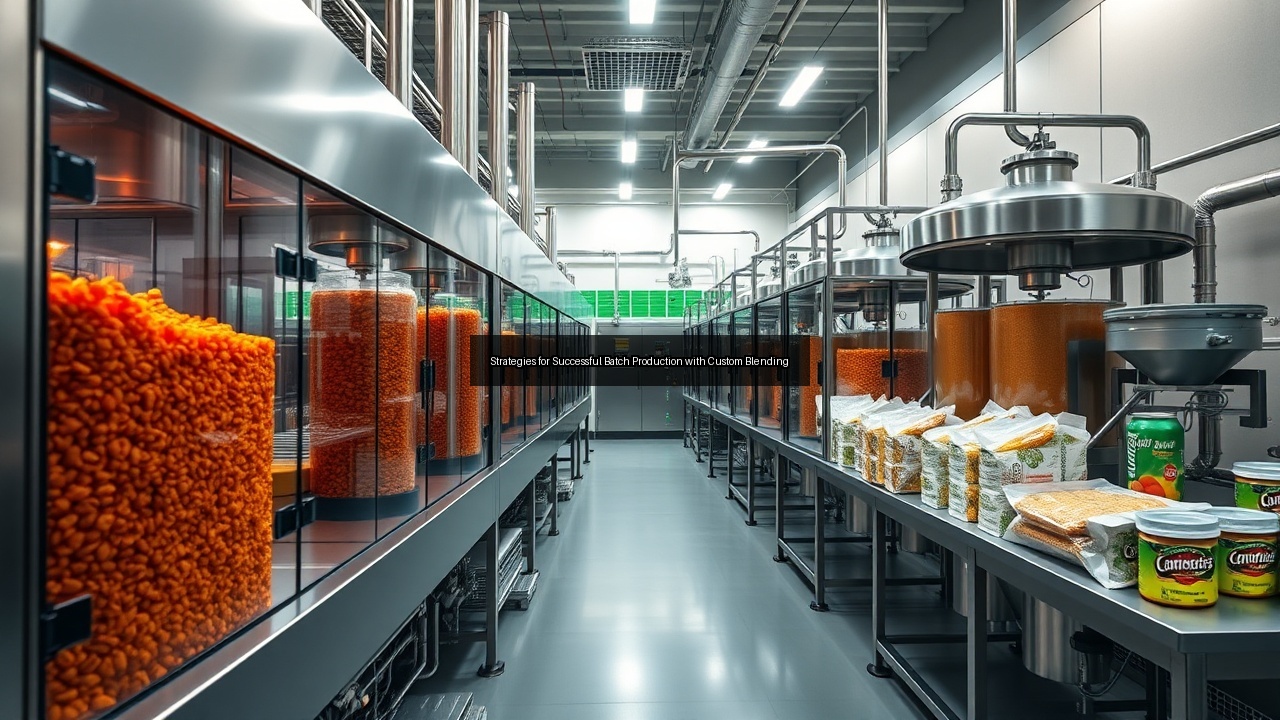
Understanding Custom Blending Solutions in Batch Production
The Importance of Custom Blending in Food Manufacturing
Custom blending solutions play a pivotal role in food manufacturing, particularly in the creation of unique products that cater to specific consumer demands. As the food and beverage industry evolves, the need for tailored blends grows stronger. Custom blending allows manufacturers to produce personalized flavors and textures, enhancing the overall consumer experience. This approach not only meets the diverse tastes of customers but also aligns with dietary preferences, such as gluten-free or vegan options. By utilizing custom blends, manufacturers can differentiate their products in a saturated market, establishing a competitive edge while also fostering brand loyalty. The ability to create specific blends enhances innovation, driving growth in sectors ranging from juice concentrates to specialty sauces.
Key Components of Custom Blending Solutions
Successful custom blending solutions comprise several key components that ensure efficacy and quality. First, sourcing high-quality food ingredients is essential. The selection process should focus on freshness, flavor profiles, and nutritional value. Second, the blending process itself must incorporate precise measurements and mixing techniques to achieve consistency across batches. The science of blending emphasizes the importance of understanding how different ingredients interact. Third, flexible packaging solutions play a crucial role in maintaining product integrity. Effective primary and secondary packaging ensures that custom blends retain their flavor and freshness while also appealing to consumers. Finally, implementing robust quality assurance protocols guarantees that each batch meets industry standards, including GFSI and USDA regulations, providing peace of mind for both producers and consumers.
Innovative Techniques for Effective Batch Production
Utilizing Science for Optimal Blends
Science drives the innovation behind effective batch production in custom blending solutions. Understanding the chemical interactions between food ingredients allows manufacturers to create optimal blends that maximize flavor and texture. Techniques such as molecular gastronomy can enhance blending processes, ensuring that ingredients amalgamate seamlessly. Utilizing empirical data from sensory evaluations informs adjustments to formulations, leading to more refined products. Advanced blending technologies, such as high-shear mixers and ultrasonic homogenizers, facilitate uniform distribution of ingredients and improve the overall quality of the blend. This scientific approach not only enhances the sensory attributes of the product but also enables manufacturers to innovate continuously, responding quickly to changing market trends and consumer preferences.
Incorporating Food Ingredients for Flavor and Stability
Incorporating the right food ingredients is crucial for developing custom blends that offer both flavor and stability. Flavor profiles must align with consumer expectations, which requires a thorough understanding of market preferences. Manufacturers often test various food ingredients to find the perfect combination that excites the palate. Additionally, stability is a key consideration, especially for products with a longer shelf life. Ingredients such as emulsifiers and stabilizers can enhance product consistency and prevent separation, ensuring the blend remains appealing over time. Custom blending solutions also involve careful attention to balancing flavors, acidity, and sweetness. By meticulously selecting ingredients, manufacturers can create products that not only taste great but also maintain quality through various stages of storage and distribution.
Flexible Packaging Solutions for Custom Blends
Flexible packaging solutions provide essential advantages for custom blending in batch production. These innovative packaging options allow manufacturers to preserve the freshness and integrity of their blends while also offering convenience to consumers. Flexible packaging can adapt to various product forms, from liquid juices to powder mixes, ensuring compatibility with diverse custom blends. Additionally, this type of packaging often features resealable options, enhancing usability for end users. The lightweight nature of flexible packaging reduces transportation costs and environmental impact, making it a sustainable choice. Furthermore, high-quality printing capabilities enable manufacturers to showcase their branding effectively, attracting consumers through visually appealing designs. Overall, flexible packaging solutions represent a significant advancement in maintaining product quality and enhancing market appeal.
Quality Assurance in Custom Blending
Meeting GFSI and USDA Standards
Quality assurance stands at the forefront of successful custom blending solutions. Adhering to stringent regulations set forth by organizations like the Global Food Safety Initiative (GFSI) and the United States Department of Agriculture (USDA) is non-negotiable for manufacturers. These standards emphasize safety, quality, and traceability, ensuring that every ingredient used in custom blends meets regulatory requirements. To achieve compliance, manufacturers must implement rigorous testing procedures throughout the production process, from ingredient sourcing to final product evaluation. Regular audits and inspections help identify potential issues early, allowing for corrective measures. By maintaining high standards of quality assurance, manufacturers not only protect consumers but also enhance their brand reputation, leading to increased trust and loyalty.
The Role of Primary and Secondary Packaging in Quality Control
Primary and secondary packaging plays a crucial role in quality control for custom blending solutions. Primary packaging directly interacts with the product, providing a barrier against environmental factors such as moisture, light, and air. This protection is vital for maintaining the freshness and flavor of custom blends, especially those containing sensitive food ingredients. Secondary packaging, on the other hand, offers additional protection during transportation and storage. It ensures that primary packages remain intact and undamaged. Effective packaging strategies also include clear labeling that complies with regulatory standards and provides consumers with essential information about the product. By focusing on both primary and secondary packaging, manufacturers can enhance the overall quality of their custom blends, ensuring they reach consumers in optimal condition.
Future Trends in Custom Blending and Batch Production
Emerging Technologies in Beverage Manufacturing
The landscape of beverage manufacturing continues to evolve, driven by emerging technologies that enhance custom blending solutions. Advances in automation and artificial intelligence streamline the blending process, allowing for greater precision and efficiency. Smart blending systems utilize real-time data analytics to monitor ingredient interactions and optimize formulations. This technological transformation not only reduces production time but also minimizes waste, aligning with sustainability goals. Additionally, the rise of digital platforms enables manufacturers to connect directly with consumers, gathering feedback that informs product development. As these technologies advance, they will shape the future of batch production, making it possible to create increasingly sophisticated custom blends that cater to a diverse array of consumer preferences.
Sustainable Practices in Custom Blending Solutions
Sustainability has become a significant focus in custom blending solutions, reflecting a growing demand for environmentally responsible practices in food and beverage manufacturing. Manufacturers are exploring sustainable sourcing of food ingredients, prioritizing organic and locally produced options that reduce carbon footprints. Additionally, innovative blending techniques aim to minimize resource consumption while maximizing output. For instance, energy-efficient equipment and waste-reduction strategies contribute to more sustainable operations. Packaging solutions also reflect this trend, with an emphasis on recyclable and biodegradable materials. By adopting sustainable practices, manufacturers not only meet consumer expectations but also contribute positively to environmental stewardship, positioning themselves as responsible leaders in the industry.