The Role of HMC Machining in the Power Generation Industry
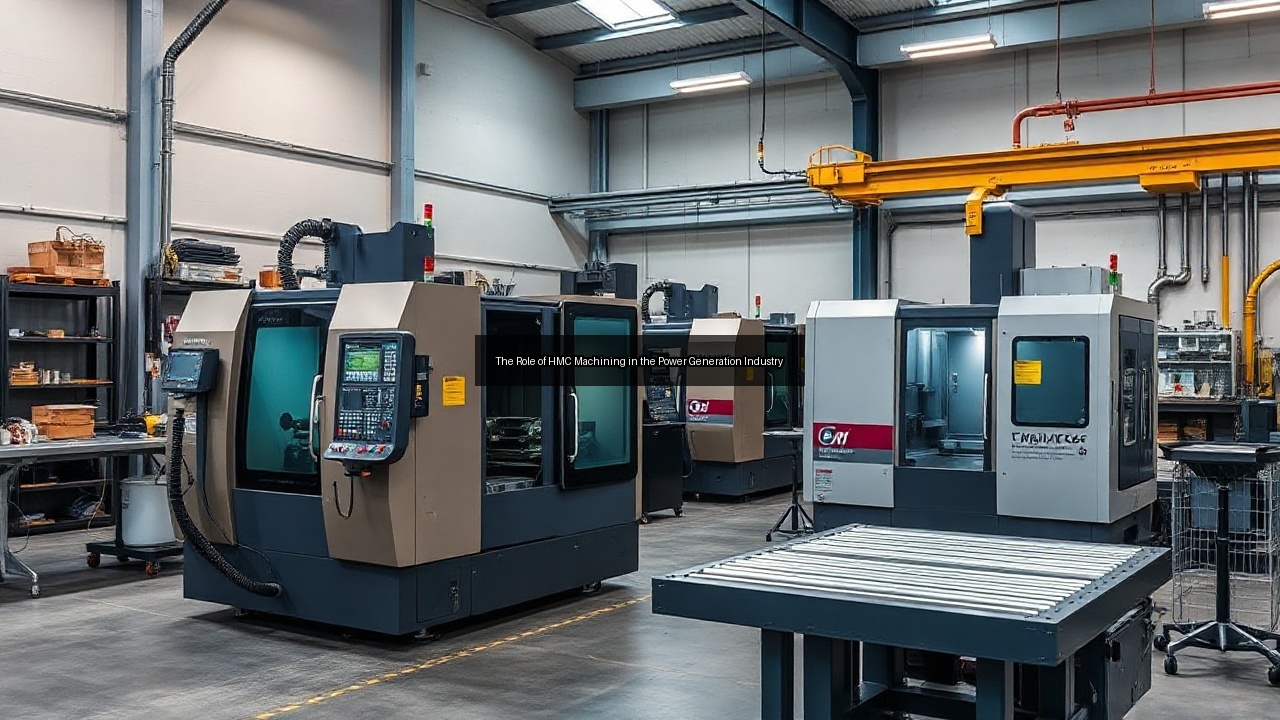
Understanding HMC Machining in Power Generation
What is HMC Machining?
HMC machining, or Horizontal Machining Center machining, refers to a process that utilizes advanced machining centers designed to handle complex tasks with precision and efficiency. Unlike traditional vertical machining, HMC machining employs a horizontal spindle orientation, which allows for more effective chip removal and improved tool access. This orientation is particularly beneficial for large or heavy components commonly found in the power generation industry. The ability to perform multiple operations—such as milling, drilling, and tapping—in a single setup makes HMC machining an invaluable tool in manufacturing environments, ensuring high productivity and reduced cycle times.
The Importance of HMC Machining in Power Generation
The power generation industry relies heavily on components that demand exceptional precision and durability. HMC machining plays a critical role in producing parts like turbine housings, gears, and other intricate assemblies that require strict tolerances. The energy sector increasingly demands more efficient and reliable solutions to meet rising energy needs. HMC machining services enable manufacturers to optimize designs for strength and lightweighting, which directly impacts energy efficiency. Additionally, the accuracy of HMC machining reduces the likelihood of failures and maintenance downtime, ultimately contributing to the overall reliability of power generation systems.
Key Technologies in HMC Machining
Several technologies underpin HMC machining, enhancing its capabilities and applications in manufacturing. CNC (Computer Numerical Control) technology stands at the forefront, allowing for precise automation of the machining process. Modern CNC machining centers can execute intricate programs that dictate tool paths with unparalleled accuracy. Advanced metrology tools ensure quality assurance throughout production, enabling manufacturers to maintain tight tolerances. cnc machining services Other innovations include EDM (Electrical Discharge Machining) for intricate designs and the use of sophisticated software for simulation and optimization. These technologies collectively enhance the efficiency and effectiveness of HMC machining services in the power generation sector.
Applications of HMC Machining Services
Precision Machining for Power Generation Components
Precision machining is vital in the production of components used in power generation. HMC machining services provide the accuracy required for critical parts, such as turbine rotors and heat exchangers. These components often undergo extreme conditions, necessitating superior quality and reliability. HMC machining allows manufacturers to create complex geometries and features that traditional machining methods may struggle with. This capability ensures that parts fit seamlessly within assemblies, reducing the risk of mechanical failure. Industries such as nuclear, wind, and fossil fuel power generation benefit from HMC's ability to produce high-quality components that meet stringent regulatory standards.
Role of CNC Technology in HMC Machining
CNC technology revolutionizes HMC machining by automating processes and enhancing precision. CNC milling machines integrated into HMC systems enable manufacturers to execute complex designs with ease. The ability to program specific machining tasks reduces human error and minimizes setup time, leading to increased productivity. Moreover, CNC technology facilitates the production of custom parts tailored to meet unique specifications. The versatility of CNC milling allows machine shops to adapt to diverse project requirements, making it a cornerstone of modern manufacturing in the power generation sector. The seamless integration of CNC technology into HMC machining services promotes efficiency and innovation.
Fabrication Techniques for Energy Sector Parts
Fabrication techniques employed in HMC machining services are crucial for producing robust energy sector parts. Processes such as welding, bending, and assembling complement machining operations to create complete assemblies. HMC machining centers often integrate these fabrication techniques, allowing for streamlined workflows that enhance overall productivity. For instance, after precision milling of a component, a machine shop can perform additional fabrication steps within the same setup, reducing handling times and errors. This holistic approach to manufacturing ensures that components not only meet dimensional specifications but also fit perfectly within larger systems. The combination of machining and fabrication techniques significantly elevates the quality and reliability of power generation components.
Benefits of HMC Machining Technologies
Enhancing Productivity with CNC Machining Centers
CNC machining centers significantly enhance productivity in the power generation industry. The automation provided by CNC allows for continuous operation, leading to shorter lead times and increased output. HMC machining centers can run unattended, enabling manufacturers to focus on quality control and other value-added activities. The flexibility of CNC systems also permits quick changes between different jobs, which is essential in a market that often requires rapid response times to new orders. By maximizing machine utilization and minimizing downtime, HMC machining services contribute to a more efficient manufacturing environment, ultimately driving growth in the power generation sector.
Quality Assurance and Metrology in HMC Machining
Quality assurance is paramount in the power generation industry, where component failures can lead to catastrophic results. HMC machining technologies incorporate advanced metrology tools to ensure that every part meets stringent quality standards. These tools enable real-time monitoring of machining processes, allowing for instant adjustments to maintain precision. By employing techniques such as laser scanning and coordinate measuring machines (CMMs), manufacturers can verify that components adhere to specified tolerances. This rigorous approach to quality assurance not only minimizes waste but also enhances customer confidence in the reliability of machined parts.
Cost-Effectiveness of HMC Machining Services
HMC machining services offer cost-effectiveness through reduced production times and improved material utilization. The ability to perform multiple machining processes in one setup limits the need for extensive handling and rework, leading to lower labor costs. Additionally, the precision achieved through HMC machining minimizes scrap rates, ensuring that valuable materials are used efficiently. By investing in high-quality machining centers, manufacturers can achieve long-term savings and maintain competitive pricing. The overall reduction in production costs allows companies to allocate resources to innovation and development, fostering growth in the power generation sector.
Future Trends in HMC Machining for the Power Industry
Innovations in Machining Processes
The future of HMC machining in the power generation industry looks promising, with continuous innovations shaping the landscape. Emerging technologies such as additive manufacturing are being integrated into traditional machining processes, enabling the creation of complex geometries that were previously impossible. Hybrid machining systems, combining subtractive and additive techniques, enhance flexibility and capabilities. Additionally, advancements in tool materials and coatings improve cutting performance and extend tool life. These innovations not only increase efficiency but also contribute to sustainable practices by reducing energy consumption in manufacturing processes.
Sustainable Practices in HMC Machining
Sustainability is becoming a focal point in the power generation industry, and HMC machining technologies are adapting accordingly. Manufacturers are increasingly adopting eco-friendly practices, such as optimizing machining parameters to minimize energy usage and waste. The use of biodegradable cutting fluids and recycling of metal chips are also gaining traction. HMC machining centers equipped with energy-efficient motors and systems contribute to lower carbon footprints. By prioritizing sustainability, manufacturers not only comply with regulatory requirements but also appeal to environmentally conscious consumers, further enhancing their market position.
The Role of Automation and Smart Manufacturing
Automation and smart manufacturing are redefining HMC machining processes. The integration of IoT (Internet of Things) devices allows for real-time data collection and analysis, enabling predictive maintenance and improved decision-making. Smart machining centers equipped with AI capabilities can optimize machining parameters on-the-fly, ensuring maximum efficiency and quality. This shift towards smart manufacturing transforms traditional workflows, allowing for greater adaptability and responsiveness to market demands. As the power generation sector continues to evolve, embracing these technologies will be crucial for maintaining competitiveness and driving innovation in HMC machining services.
See Also
- Achieving Unmatched Quality in Parts Manufacturing with HMC Machining
- Maximizing Efficiency in Your Machine Shop with HMC Machining Technologies
- A Deep Dive into HMC Machining and Its Impact on Gear Fabrication
- Transform Your Manufacturing Process with HMC Machining Solutions
- Unlocking Efficiency with HMC Machining Services for Metalworking Projects