Understanding Compression Molding Machines and Their Role in Manufacturing

Introduction to Compression Molding Machines
What is Compression Molding?
Compression molding applies heat and pressure to shape raw materials into finished parts inside a mold cavity. Manufacturers load a precise amount of material, often thermoset resins or composites, into an open mold. They close the mold and apply pressure to force the material to flow and fill every detail. This method produces strong, durable components without the high shear forces common in other techniques. Engineers value compression molding for its ability to handle large parts and thick sections that maintain structural integrity under load. The process supports consistent output across production runs when operators control temperature, pressure, and cycle time accurately.
Historically, compression molding emerged in the early 20th century alongside the development of phenolic resins, evolving from simple hand presses to sophisticated hydraulic systems. Today it accommodates materials such as sheet molding compound (SMC), bulk molding compound (BMC), and glass-fiber-reinforced thermosets that deliver exceptional mechanical properties. Because the material experiences minimal flow distance and low shear, fiber orientation remains largely intact, yielding parts with higher tensile strength and impact resistance than many injection-molded equivalents. Typical processing temperatures range from 300 °F to 400 °F, while pressures vary from 100 psi to over 2,000 psi depending on part geometry and resin chemistry.
Overview of Compression Molding Services
Compression molding services provide end-to-end support for companies that need custom parts without investing in their own equipment. Suppliers manage material selection, mold design, production scheduling, and quality inspection. Clients benefit from access to specialized compression molding machines capable of handling different tonnage ranges and part sizes. These services often include prototype development to test designs before full-scale runs. Experienced providers optimize cycle times and reduce material waste while meeting tight tolerances. Businesses turn to compression molding services when they require reliable parts for demanding environments where strength and dimensional stability matter most.
Full-service providers frequently hold certifications such as ISO 9001 and IATF 16949, ensuring traceability from raw-material lot to finished component. They maintain press fleets spanning 50-ton laboratory machines to 2,000-ton production presses with platen sizes up to 10 × 8 feet. Value-added offerings often encompass finite-element analysis for mold filling, in-house tool maintenance, and secondary operations including CNC trimming, adhesive bonding, and Class-A painting. By outsourcing, OEMs avoid capital expenditure on presses and heating systems while gaining rapid access to process expertise that accelerates time-to-market for complex composite parts.
The Compression Molding Process
Step-by-Step Breakdown of the Compression Molding Process
Operators begin the compression molding process by preparing the mold and preheating it to the required temperature. They weigh and place a measured charge of material into the lower mold half. The press closes and applies hydraulic pressure that ranges from several tons to hundreds of tons depending on part size. Heat softens the material so it flows into every contour of the mold. After the cure or cooling phase completes, the press opens and ejector pins release the finished part. Post-molding trimming removes flash and prepares the component for secondary operations such as painting or assembly. Each stage requires precise control to avoid defects like voids or incomplete fills.
Before production, molds receive release-agent application and thermocouple verification to confirm uniform heating within ±5 °F. Charge placement follows optimized patterns—often preformed “preforms” or chopped-fiber “charges”—to minimize knit lines. Modern presses employ closed-loop hydraulic control that ramps pressure from 50 psi during initial flow to full tonnage during cure, typically lasting three to eight minutes for thick sections. Real-time data logging of cavity pressure and temperature enables statistical process control, flagging deviations that could produce porosity or surface imperfections. After demolding, infrared inspection or ultrasonic testing can verify internal integrity before parts advance to machining or coating lines.
Key Specifications of Compression Molding Machines
Compression molding machines differ in tonnage, platen size, and control systems. Tonnage determines the pressure a machine can exert across the mold surface. Larger platens accommodate bigger molds for oversized components. Modern machines feature programmable logic controllers that regulate temperature zones and pressure profiles throughout the cycle. Hydraulic systems deliver consistent force while electric models offer energy efficiency and quieter operation. Safety features such as light curtains and interlocks protect operators during mold changes. Buyers evaluate these specifications against their production volume and part geometry before selecting equipment.
Entry-level machines start at 50–150 tons with 24 × 24 inch platens suitable for electrical housings, while automotive-grade presses reach 1,500–2,500 tons with daylight openings exceeding 60 inches. Electric servo-driven models reduce energy consumption by up to 60 % compared with traditional hydraulics and provide positioning accuracy within 0.001 inch. Integrated SCADA systems allow recipe storage for dozens of part numbers, automatic alarm limits on temperature drift, and remote diagnostics. When evaluating equipment, buyers also consider parallel platen deflection under load—ideally less than 0.002 inch per foot—to guarantee flatness on large body panels or wind-turbine components.
Understanding Molds Used in Compression Molding
Molds for compression molding typically consist of hardened steel or aluminum with precise cavity and core surfaces. Designers incorporate draft angles and ejector systems to ensure easy part release. Heating channels run through the mold halves to maintain uniform temperature. Some molds include inserts for overmolding metal components or creating threaded features. Proper venting prevents trapped air that causes surface defects. Maintenance teams polish cavities regularly and inspect for wear to extend mold life. High-quality molds directly influence part accuracy and surface finish in every production cycle.
Production molds commonly use P20 or H13 steel hardened to 28–32 Rockwell C, while prototype tools may employ aluminum for faster machining and lower cost. Multi-cavity family molds allow simultaneous production of related components, improving press utilization. Conformal heating channels created via additive manufacturing deliver temperature uniformity within 3 °F, shortening cure cycles by 15–20 %. Strategic placement of ejector pins, combined with 1–3° draft angles, prevents surface marks on visible Class-A surfaces. Regular chrome plating or physical-vapor-deposition coatings extend cavity life beyond 100,000 cycles when processing abrasive glass-filled compounds.
Applications of Compression Molding
Industries Utilizing Compression Molding
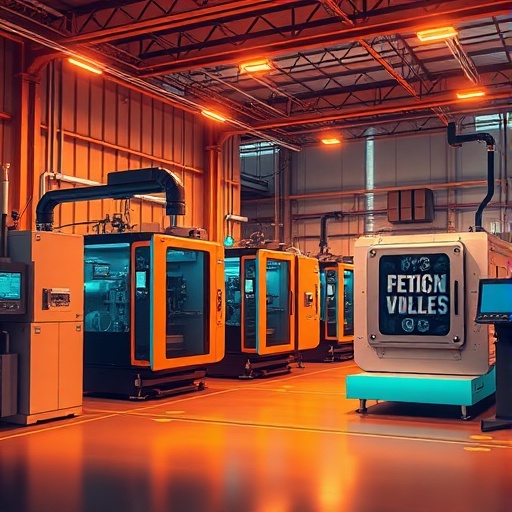
Automotive suppliers rely on compression molding to produce brake pads, body panels, and under-hood components that withstand heat and vibration. Aerospace manufacturers create interior panels and structural brackets using advanced composites. Electrical companies mold insulators and housings that require excellent dielectric properties. Appliance makers form large enclosures and structural frames that resist impact. Medical device firms produce trays and equipment housings that meet strict cleanliness standards. These industries choose compression molding because the process handles reinforced materials and delivers parts with minimal internal stress.
In heavy-truck manufacturing, SMC hoods and fenders reduce weight by 30 % versus steel while surviving road-salt exposure for ten years. Aerospace programs utilize compression-molded carbon-fiber epoxy brackets that meet flame-smoke-toxicity requirements and offer specific strengths exceeding aluminum. The electrical sector values BMC’s arc resistance and dimensional stability for switchgear operating at 15 kV. Appliance manufacturers produce dishwasher tubs and refrigerator liners that withstand thermal cycling between –40 °F and 200 °F without warping.
Comparison with Plastic Injection Molding
Plastic injection molding forces molten material into a closed mold at high speed and pressure, which suits high-volume runs of smaller, complex parts. Compression molding operates at lower pressures and fills the mold more slowly, reducing fiber breakage in composites. Injection molding requires more expensive tooling and higher clamp forces for large parts. Compression molding excels when parts need thick walls or embedded reinforcements. Cycle times tend to run longer in compression molding, yet material utilization stays higher because runners and sprues are unnecessary. Engineers select the method based on part size, material type, and required mechanical properties.
While injection molding achieves cycle times under 60 seconds for thin-walled consumer goods, compression molding’s 3–10 minute cycles become economical for parts exceeding 5 kg or containing continuous-fiber reinforcements. Tooling for a 1.5 m automotive panel may cost 40 % less in compression molding because no hot-runner system or high-pressure runner is required. Material yield in compression processes routinely exceeds 95 %, compared with 70–80 % for injection molding once sprue and runner scrap are accounted for.
Advantages of Compression Molded Products
Compression molded products exhibit excellent strength-to-weight ratios when made from fiber-reinforced resins. The process preserves fiber length better than injection methods, resulting in superior impact resistance. Parts maintain tight tolerances on flatness and thickness across large surfaces. Surface finishes range from matte to highly polished depending on mold texture. Lower internal stresses reduce warpage after demolding. Manufacturers achieve cost-effective production for medium volumes without sacrificing durability. These advantages make compression molded components reliable choices for structural and load-bearing applications.
Glass-fiber SMC parts routinely achieve flexural strengths above 300 MPa with densities one-quarter that of steel. Low residual stress enables flatness tolerances of ±0.5 mm across 1 m panels without secondary flattening operations. Surface roughness values below 0.8 µm Ra are attainable with polished chrome molds, eliminating the need for extensive sanding before painting. These attributes collectively reduce secondary processing costs by 20–30 % compared with alternative composite manufacturing routes.
Choosing the Right Compression Molding Company
Factors to Consider When Selecting a Compression Molding Supplier
Evaluate a compression molding company by its equipment capacity, material expertise, and quality certifications. Review past projects that match your part size and volume requirements. Ask about in-house mold design capabilities and turnaround times for tooling changes. Confirm the supplier maintains consistent pressure and temperature controls across multiple presses. Discuss material sourcing options and their experience with specific resins or composites. Site visits reveal cleanliness standards and maintenance practices that affect long-term reliability. Strong suppliers provide detailed process documentation and support design iterations.
Request process capability studies demonstrating Cpk values above 1.33 for critical dimensions. Inquire about resin procurement partnerships with suppliers such as LyondellBasell or Hexcel to secure consistent fiber-length distributions. Assess the supplier’s ability to scale from 500 prototype parts to 50,000-unit annual volumes without relocating tooling. Documented change-control procedures and lot traceability systems further reduce risk when qualifying parts for automotive or medical programs.
Evaluating Reliability and Performance of Compression Molding Services
Reliability in compression molding services depends on consistent machine uptime and repeatable process parameters. Track record of on-time delivery and low defect rates indicates strong operational control. Performance metrics include cycle time consistency and first-pass yield percentages. Suppliers that invest in real-time monitoring systems catch deviations early and maintain part quality. References from current clients reveal how the company handles urgent orders or material shortages. Long-term partnerships form when suppliers demonstrate transparent communication and proactive problem solving throughout production runs.
Target overall equipment effectiveness (OEE) above 75 % and first-pass yield greater than 98 %. Suppliers employing statistical process control with automated feedback loops can maintain cavity-pressure variation within ±2 % across shifts. Quarterly business reviews that review scrap trends, on-time delivery percentages, and corrective-action closure rates provide objective evidence of continuous improvement. Such disciplined operations translate into predictable lead times and stable pricing for multi-year supply agreements.
Innovations in Compression Molding Technology
Recent Advances in Compression Molding Processes
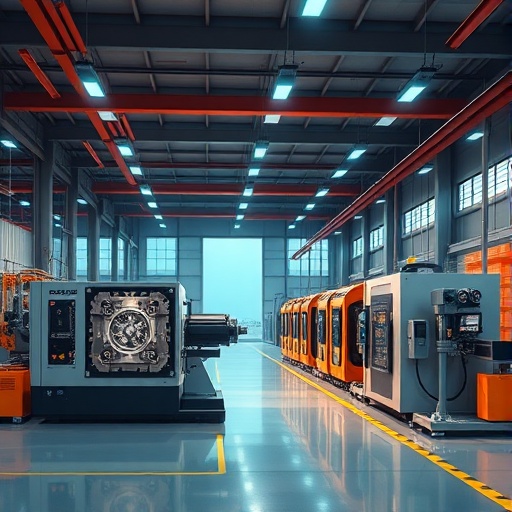
New sensor arrays inside molds capture real-time pressure and temperature data to refine process windows. Automated material loading systems reduce cycle variability and operator exposure to heat. Hybrid presses combine hydraulic force with electric precision for better energy management. Advanced simulation software predicts flow behavior and identifies potential knit lines before tooling is built. These innovations shorten development cycles and improve part consistency across batches. Manufacturers now integrate insert molding steps directly into the compression molding process for multi-material assemblies.
Wireless piezoelectric sensors embedded in mold cavities stream data at 100 Hz, enabling machine-learning algorithms to adjust pressure profiles dynamically and reduce voids by up to 90 %. Robotic charge-placement systems achieve positional repeatability of ±1 mm, cutting cycle-time variation from 12 % to under 3 %. Hybrid servo-hydraulic presses deliver both high force and precise velocity control, lowering energy use by 40 % while maintaining 0.5 % force repeatability. Digital-twin simulations calibrated with actual sensor data now predict fiber orientation and residual stress with 95 % correlation to physical parts.
The Future of Compression Molding in Manufacturing
Compression molding will expand into lightweight structural components for electric vehicles and renewable energy equipment. Sustainable resins derived from bio-based sources will gain wider adoption as performance improves. Digital twins of molding processes will enable predictive maintenance and virtual process optimization. Integration with additive manufacturing will produce hybrid tooling that reduces lead times for low-volume runs. As demand grows for high-strength, low-weight parts, compression molding services will remain essential for industries that prioritize durability and design flexibility.
Bio-derived unsaturated polyesters and recyclable thermoplastic composites are entering qualification programs at major automotive OEMs, targeting 30 % recycled content by 2030. Predictive-maintenance platforms using vibration and thermal signatures forecast bearing or heater failures weeks in advance, raising OEE above 85 %. Hybrid tooling that combines 3D-printed conformal cooling inserts with conventionally machined steel cavities cuts tooling lead times from 12 weeks to 4 weeks for prototype volumes under 1,000 parts. These converging technologies position compression molding as a cornerstone process for next-generation mobility and sustainable infrastructure applications.
See Also
- The Future of Compression Molding Services in Sustainable Manufacturing
- Choosing the Right Compression Molding Company for Your Manufacturing Needs
- Designing for Success How Compression Molding Enhances Product Specifications
- Revolutionizing Production with Advanced Compression Molding Techniques
- A Deep Dive into the Compression Molding Process and Its Benefits